MISSION
The Institute for Reality Advancement is an independent research organization founded by Patrick Hogue. It was established to address a specific problem in consciousness studies: the absence of a shared, consistent standard for evaluating how rigorously any given theory has actually been tested. Its research programs — Ontological Archaeology, the sequential analysis of transcendental narratives, the Continuum Standard for Theory Progression, and Empirical Metaphysics — extend that same evidentiary standard across consciousness, survival, transcendental experience, and the structure of reality.
Biography
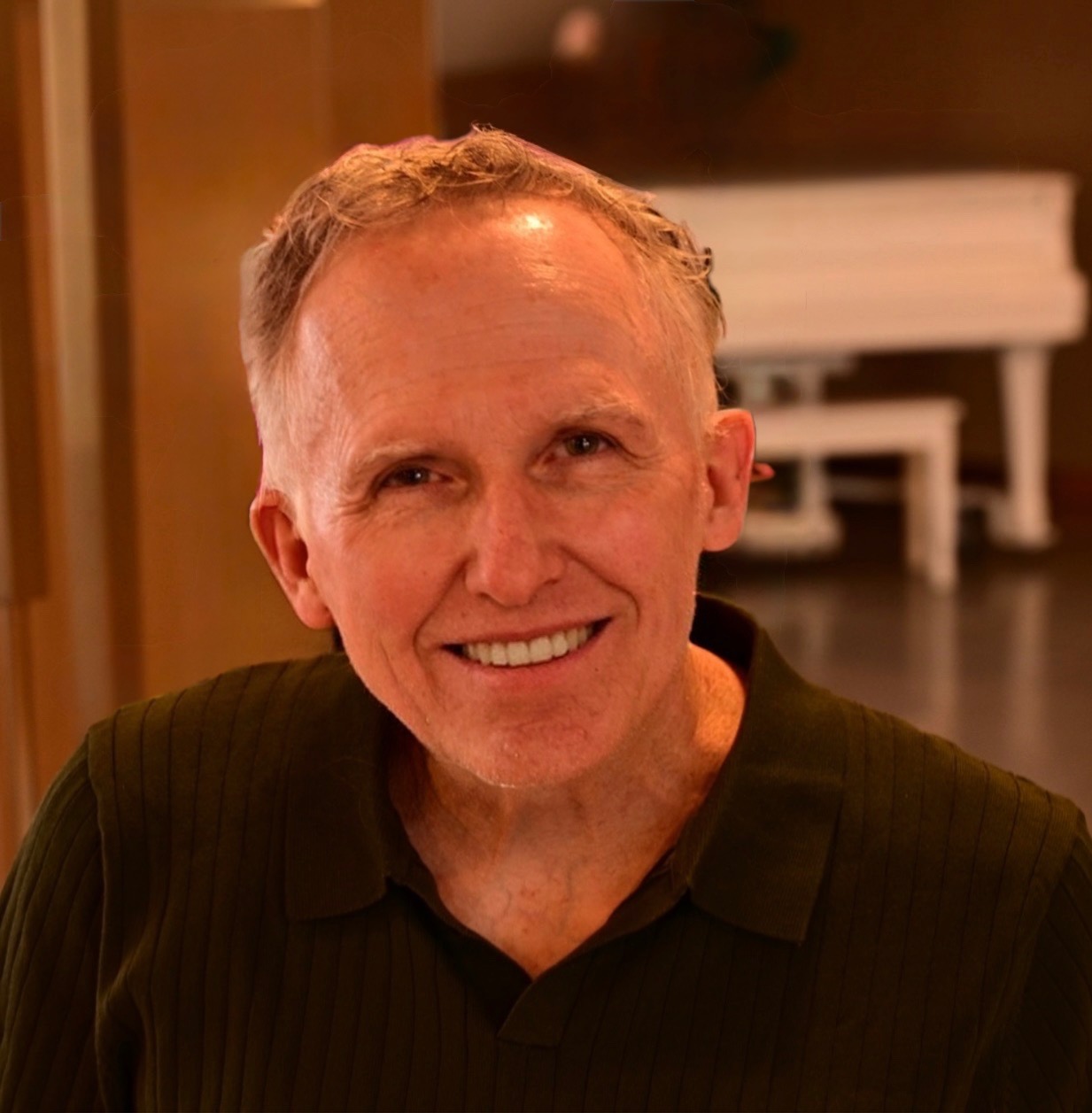
Patrick Hogue
Independent Researcher · Founder
Institute for Reality Advancement
Institute for Reality Advancement
Patrick Hogue is a theoretician, CEO of WX Worldwide, and founder of the Institute for Reality Advancement. His work develops empirical methods for evaluating claims about consciousness, transcendental experience, and ontology. Earlier in his career, while constructing pioneering research-and-development lithium extraction facilities in Chile's Atacama Desert, he set two industry world records. He has delivered formal presentations at Stanford University under invitation from Kleiner Perkins Venture Capital, the Paris Air Show for CFM International, the General Motors Technical Center, Pacific Northwest National Laboratory, and the DOE Diesel Engine Efficiency Conference in San Diego. In consciousness studies, he was an invited presenter at the 2024 IANDS National Conference in Washington, D.C., and at the Vail Institute in Vail, Colorado, and co-presented a concurrent session at the 2024 Tucson Consciousness Conference.
Hogue also writes under the name Archedon. That work addresses related questions in a more personal register, distinct from his research writing.
Hogue also writes under the name Archedon. That work addresses related questions in a more personal register, distinct from his research writing.
Criteria
1. Falsifiability
Whether a theory generates predictions that could, in principle, be shown false.
2. Test Severity
Whether those predictions have been subjected to genuinely adversarial testing.
3. Independence
Whether results have been obtained or confirmed by parties without a stake in the outcome.
4. Reproducibility
Whether findings have been repeated under comparable conditions.
16
CSTP has been applied to sixteen major theoretical positions in consciousness studies, drawn from Robert Lawrence Kuhn's widely cited taxonomy of the field. A seventeenth candidate, Empirical Metaphysics, is introduced only after the standard and the sixteen initial rankings are fixed, and is evaluated under the same rules as every other position considered.